
MyGolfSpy has just released its huge 2026 golf ball robot test.
And as somebody who spends far too much of his spare time hitting, reviewing and cutting open golf balls, this is one of those tests I always look forward to.
This year they tested 48 different golf balls, across multiple swing speeds, using driver, 7-iron and 35-yard wedge shots.
And there were some fascinating results.
Some made perfect sense.
Others really didn’t.
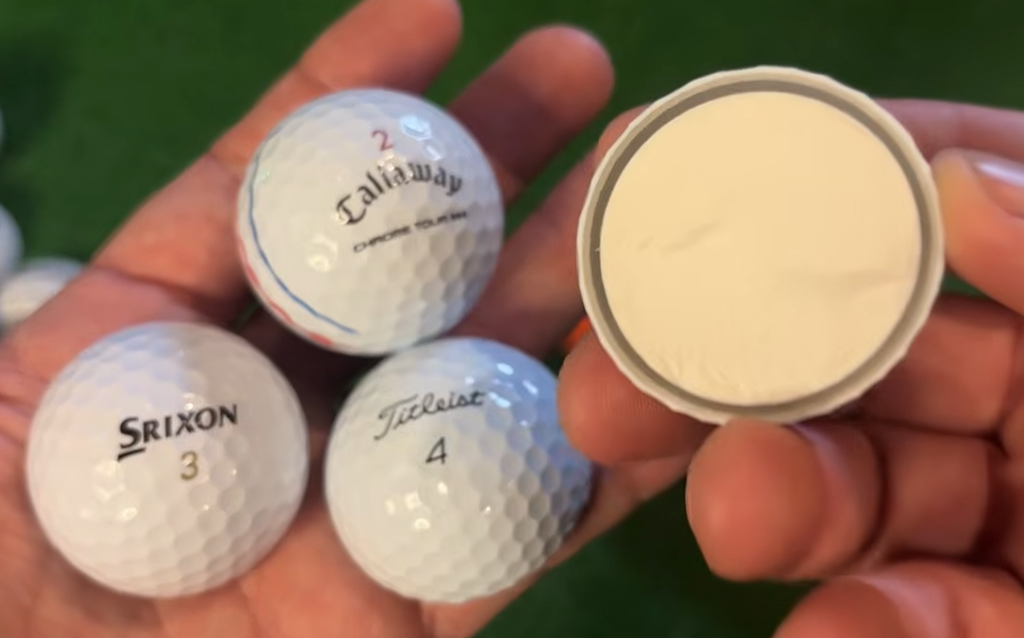
A Callaway Supersoft went from the slowest ball with a driver to one of the fastest with an iron.
A Pro V1 topped the total-distance table at the slowest driver speed.
A relatively cheap Titleist Velocity beat everything for total distance at one of the driver speeds.
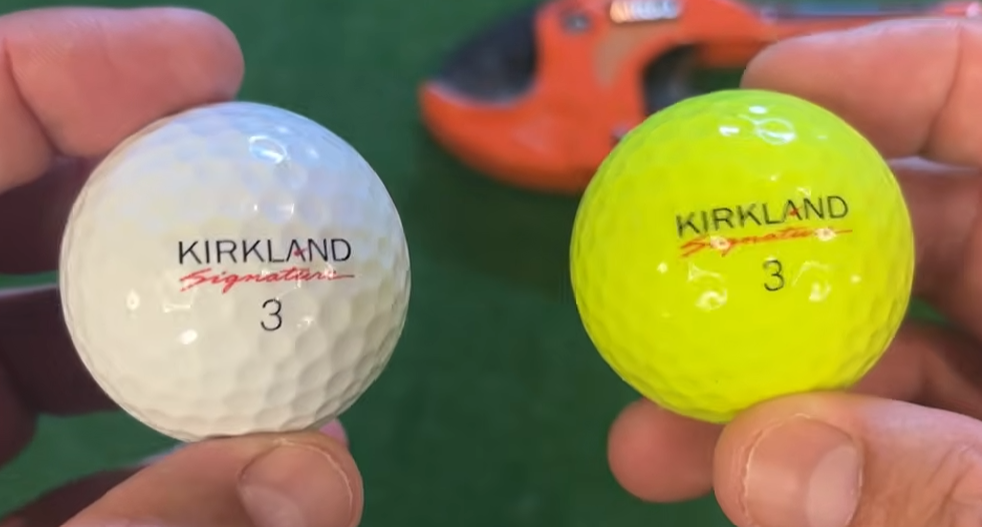
And two Kirkland golf balls with exactly the same name performed differently depending on whether they were white or yellow.
This is exactly why I keep saying the same thing on Up Close Golf:
The golf ball matters.
Possibly a lot more than most golfers realise.
I’ve been playing golf for over 30 years, I’ve worked in the golf industry, and I’ve now personally reviewed and cut open more than 300 golf balls.
I’m not a scientist.
I’m just an average golfer who’s become slightly obsessed with trying to understand these things.
So here are the results from the MyGolfSpy 2026 golf ball test that interested me most.
The Callaway Supersoft Result Is Bonkers
Let’s start with an old friend.
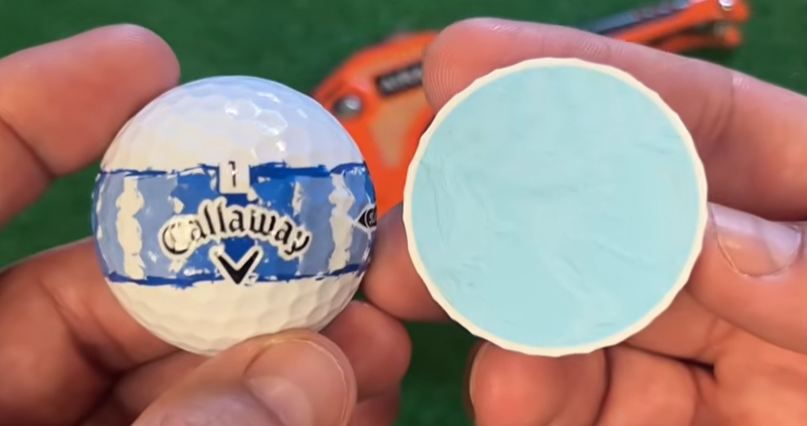
The Callaway Supersoft.
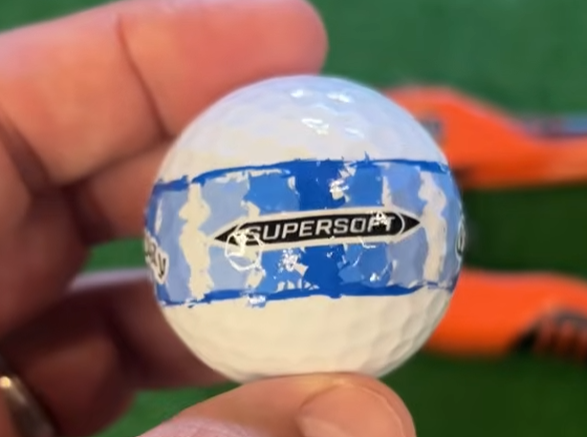
If you’ve watched Up Close Golf for any length of time, you’ll know I’ve had a slightly complicated relationship with this ball.
I’ve cut plenty of them open with Jeff over the years.
Jeff, incidentally, is my golf-ball cutting tool. He got his name after I let the Up Close Golf community vote on it, and somehow he’s now developed his own little cult following.
Anyway, back to the Supersoft.
MyGolfSpy found it was the slowest golf ball in the entire driver test.
That didn’t exactly shock me.
It’s incredibly soft, and we’ve heard the phrase “soft is slow” plenty of times.
But then they hit it with a 7-iron.
And things got weird.
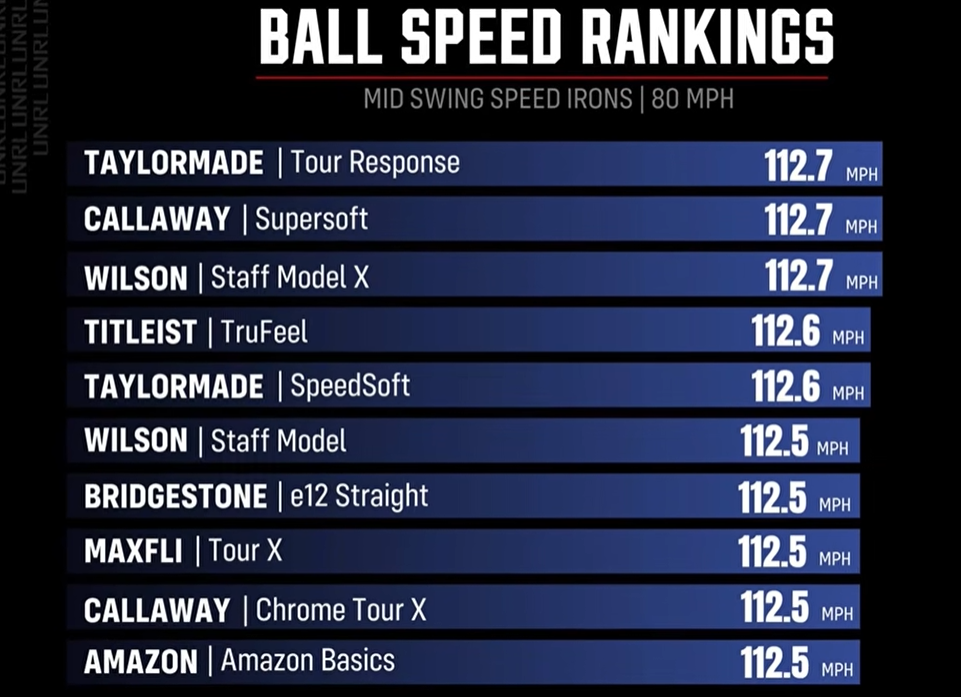
At the middle iron speed, Supersoft went from being the slowest ball off the driver to the second-fastest with the iron.
That’s a jump of 46 places.
At the slowest iron speed, it was actually the fastest ball tested.
So is soft slow?
With the driver, maybe.
Across your entire bag?
Clearly it’s more complicated than that.
And that’s why I’m always wary when somebody says you should play a certain compression simply because you swing at a particular speed.
There’s more going on.
Watch on YouTube
Does Spending £50 on Golf Balls Actually Get You Anything?
This was probably my favourite part of the test.
Because expensive golf balls weren’t necessarily longer.
At MyGolfSpy’s middle driver speed, the Titleist Velocity finished first for total distance.
Think about that.
A relatively inexpensive two-piece ionomer golf ball beating premium urethane balls costing considerably more.
So why bother paying £40 or £50 for a dozen?
Move the robot to 35 yards and you get your answer.
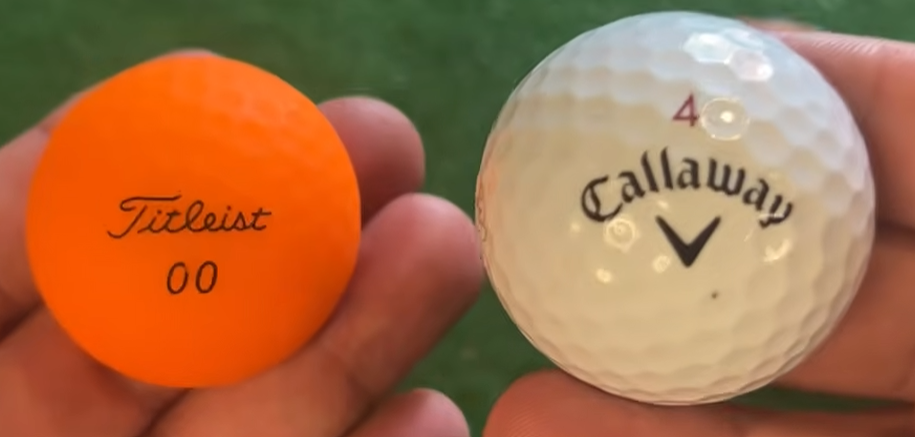
The Velocity produced the lowest greenside spin of all 48 balls.
The Callaway Supersoft wasn’t far behind it.
Then look at the Callaway Chrome Tour X.
That produced the highest greenside spin in the entire test.
And this is something I think average golfers need to understand.
You’re not necessarily paying for distance. You’re paying for control.
Across the test, urethane-covered golf balls averaged roughly 1,250 rpm more greenside spin than ionomer balls.
That’s a big difference.
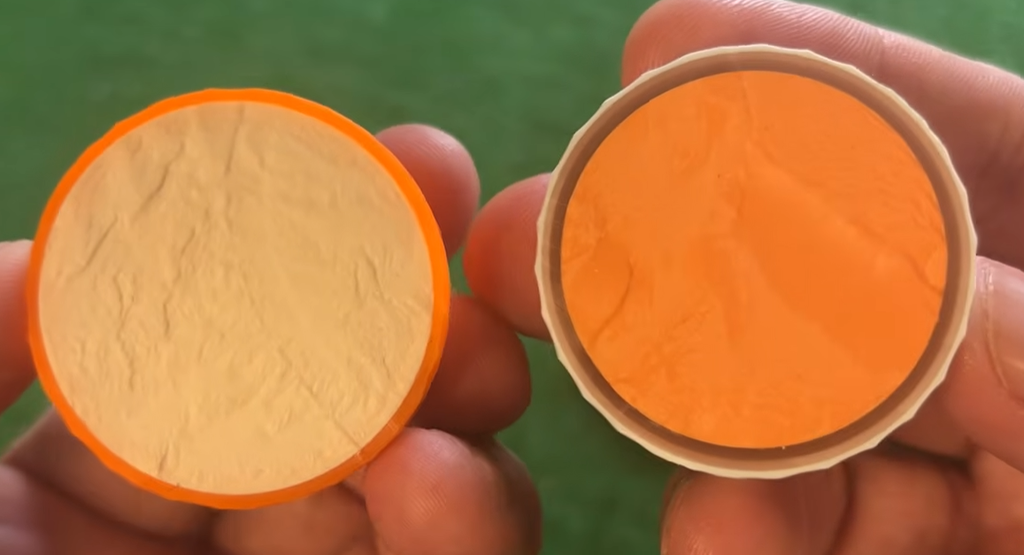
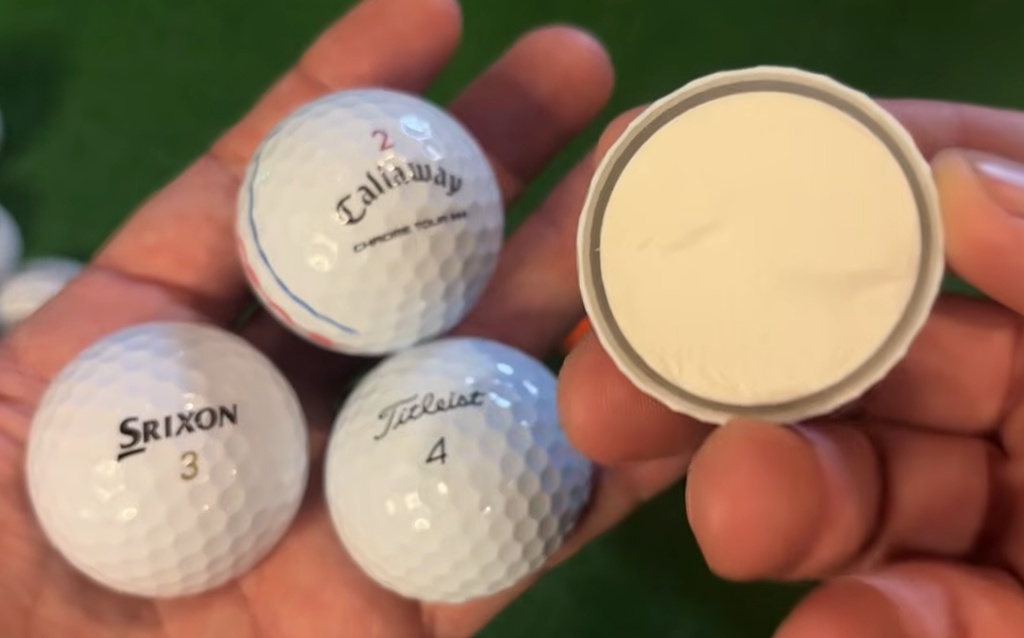
And when Jeff cuts these golf balls open, you can actually see just how different they are.
A Velocity is a relatively simple two-piece construction.
A Chrome Tour X is a premium multi-layer urethane golf ball.
So don’t judge your golf ball purely on how far it goes with your driver.
What happens when you’ve got a wedge in your hands might be far more important.
Slower Swing? You Don’t Automatically Need a Soft Golf Ball
This one could annoy a few golf-ball fitting charts.
Imagine you swing your driver at around 85–86 mph.
What golf ball would you instinctively choose?
Supersoft?
TruFeel?
Soft Feel?
Something with a very low compression?
Sounds logical.
Except the golf ball that finished longest for total distance in MyGolfSpy’s 86 mph driver testing was…
And if you look purely at carry rather than calculated bounce and roll, the Callaway Chrome Tour X was longest.
Two premium urethane golf balls.
I love this result because it challenges one of the biggest misconceptions around golf balls.
Slow swing doesn’t automatically mean soft ball.
Compression is only one part of the equation.
Launch matters.
Spin matters.
Your delivery matters.
And ultimately, the golf ball that works best for your swing matters.
That’s exactly what I’m trying to encourage with Up Close Golf.
Try different golf balls.
Don’t simply buy what somebody tells you is “designed” for your handicap, age or swing speed.
You might surprise yourself.
TaylorMade Tour Response Might Be the One to Watch
Now this golf ball really caught my attention.
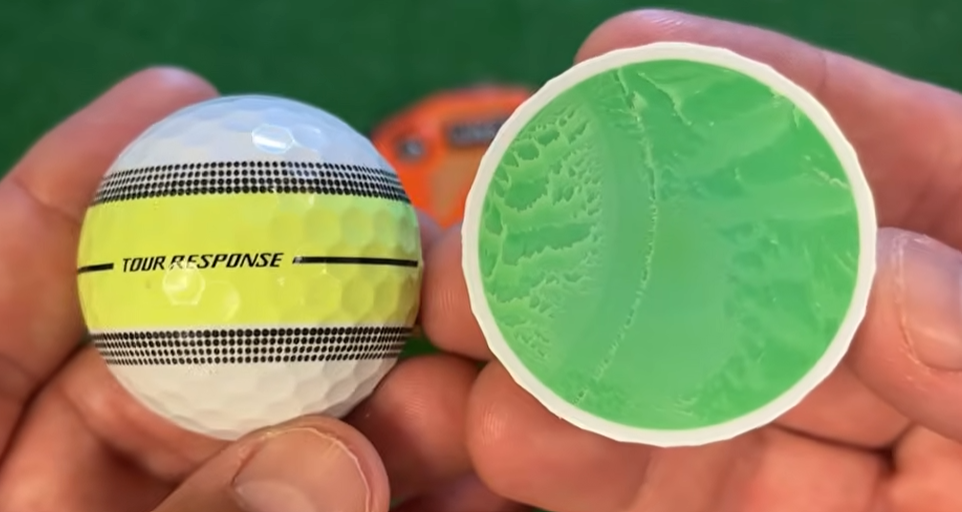
I’ve recommended it before and liked what I’ve seen from it.
The 2026 robot test made it even more interesting.
At the highest driver speed it wasn’t particularly fast.
Yet it finished third for total distance.
Then MyGolfSpy hit 7-irons.
Tour Response was the longest golf ball in the test at the highest iron speed.
Even more impressively, it was apparently the only ball to make the top 10 for distance with both driver and iron at those highest speeds.
Why?
Spin.
It kept spin relatively low.
And here’s another interesting lesson from the testing.
There was only around 1.5 mph separating the fastest and slowest balls in the high-speed 7-iron test.
Yet there was more than 10 yards between the longest and shortest.
That’s why just looking at ball speed doesn’t tell the whole story.
Tour Response is urethane, it’s softer than many traditional Tour balls, and it’s generally positioned below the most expensive premium models.
I already liked it.
After this test?
I think Jeff and I need to investigate it properly.
White Kirkland vs Yellow Kirkland Gets Really Strange
This might be the story that fascinates me most.
Two Kirkland Performance+ golf balls.
Same model.
Same branding.
One white.
One yellow.
Surely they’re basically identical?
Apparently not.
MyGolfSpy deliberately tested both because readers had pointed out that the two colours were being manufactured in different factories.
The yellow Kirkland consistently produced more spin.
At the middle iron speed, the yellow version was actually the third-highest spinning golf ball of all 48 tested, while the white version was considerably further down the rankings.
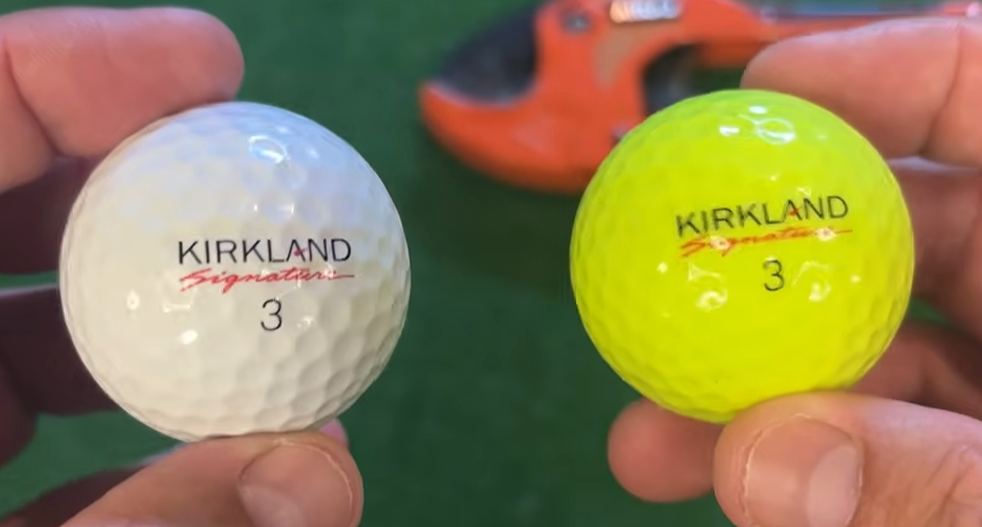
But having cut more than 300 golf balls, I’m certainly interested in looking at the cores, mantle layers, covers and general construction side-by-side.
So Jeff will definitely be getting involved with this one.
White Kirkland vs Yellow Kirkland deserves its own test.
Are Cheaper Golf Balls Catching Premium Balls?
Here’s another surprise.
The Vice Tour has an ionomer cover.
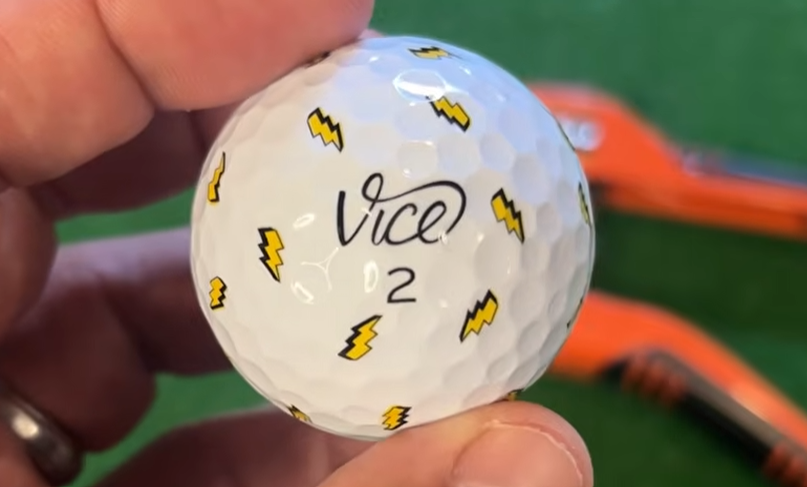
Yet at MyGolfSpy’s highest driver speed, it finished 13th for distance and beat 26 of the 38 urethane balls tested.
That’s pretty impressive.
Then it finished fourth-highest for spin with the high-speed 7-iron, beating 35 of the 38 urethane balls.
The Titleist Tour Soft also performed strongly on full shots.
So have cheaper ionomer balls finally caught the expensive urethane balls?
Not quite.
Because we get back to that 35-yard shot.
Tour Soft fell to 42nd out of 48 for greenside spin.
And that’s really the recurring story here.
Some ionomer balls are getting surprisingly close to premium balls on full shots.
But around the green?
Urethane still has a significant advantage.
My Three Most Interesting Golf Balls From the Test
I’m deliberately not calling these the “three best golf balls of 2026”.
I don’t think this test proves there is one best golf ball.
Actually, I think it proves the opposite.
But these are the three I’d be most interested in trying after looking through the results.
3. Callaway Chrome Tour X
Fast.
Plenty of carry.
Loads of spin.
And the highest greenside spin in the test.
If you’ve ever wondered what you’re getting when you spend premium money on a urethane golf ball, Chrome Tour X is a pretty good demonstration.
2. Titleist Pro V1
Not because it’s a Pro V1.
Not because Tour players use it.
It’s that slower swing-speed result that interests me.
At 86 mph it finished longest for total distance.
That’s exactly the sort of result that should make golfers question the old “slow swing = soft ball” rule.
1. TaylorMade Tour Response
This is the one I really want to test.
It wasn’t especially quick off the driver.
Yet it was one of the longest.
It was the longest 7-iron ball at MyGolfSpy’s highest test speed.
It’s urethane.
And it’s generally cheaper than the likes of Pro V1, Chrome Tour and TP5.
I’ve liked Tour Response before.
The robot data likes it.
Now I want to see what happens when an ordinary golfer hits it.
What I’d Take From the MyGolfSpy 2026 Golf Ball Test
If you remember one thing from all of this, make it this:
Stop choosing your golf ball based on one characteristic.
Don’t buy something simply because it’s soft.
Or firm.
Or cheap.
Or expensive.
And definitely don’t assume that because your swing speed is below a certain number, there’s one particular compression you have to use.
This test gave us a golf ball that went from slowest with the driver to fastest with an iron.
A cheap ionomer ball that beat 26 urethane models for driver distance.
A Pro V1 topping the total-distance table at the slower driver speed.
And two Kirkland balls with the same name producing different spin characteristics.
That’s why I’ve built Up Close Golf around encouraging golfers to experiment.
I’m still learning about golf balls.
Hopefully you are too.
And spending a little time finding the right golf ball for your game might do more for you than simply buying another shiny new driver.
Over the next few weeks I’ll be putting several of these balls through my own testing, getting them on a launch monitor and, obviously, letting Jeff loose on a few of them.
You can also get my free golf ball buying guide if you want some help choosing your next ball.
And if you fancy supporting the channel, have a look at the Up Close Golf merch store.
But most importantly…
Which result surprised you the most?
Let me know in the comments.
About Craig

Craig is the creator of Up Close Golf, where he’s cut open and reviewed over 300 golf balls to help ordinary golfers choose the right ball for their game. He’s been playing golf for more than 30 years and previously worked at a leading UK golf course.
He’s also the owner of Fun Golf, a top-ranked UK golf blog, and an Amazon best-selling golf author.