
Most golfers spend hours researching drivers, irons and wedges…
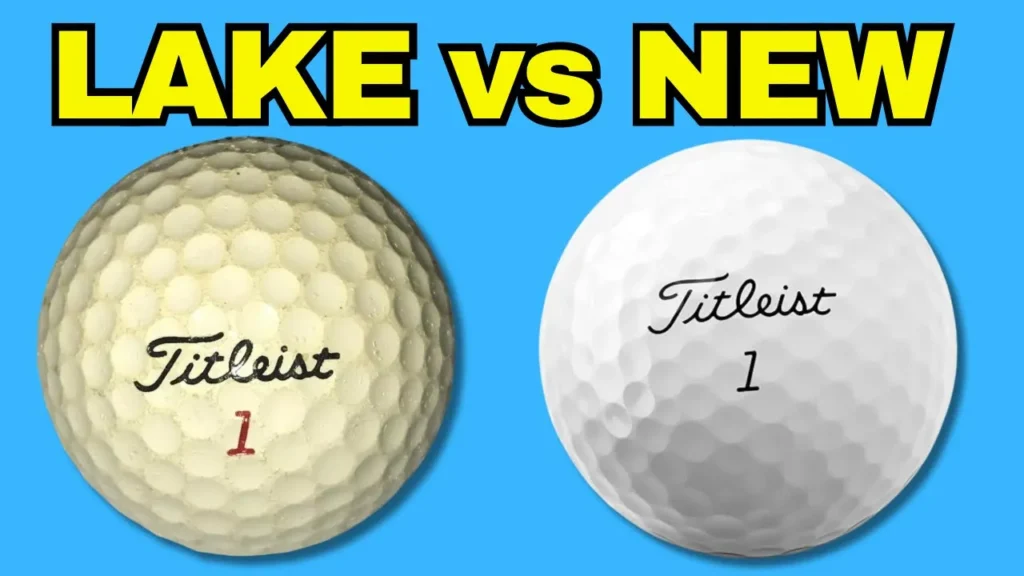
…but use whatever golf ball they find in the bottom of their bag.
That’s a mistake.
The golf ball is the only piece of equipment you use on every single shot, and using the wrong one could be costing you 10–20 yards off the tee or accuracy into greens without you even realising it!

After cutting open hundreds of golf balls on the UpCloseGolf YouTube channel (with Jeff doing the honours 🔪) and reviewing the latest MyGolfSpy robot testing, this guide will help you choose the best golf ball for:
✔ Your swing speed
✔ Your handicap level
✔ Your distance vs control needs
✔ Your budget
Whether you want more distance, more spin or more forgiveness — the right golf ball is out there for your game.
Why Your Golf Ball Actually Matters
According to the MyGolfSpy 2025 Robot Testing highlighted in my golf ball buying guide, there is:
More difference between golf balls than between drivers or irons
That means if you’re playing the wrong golf ball, you could be:
- Losing 10–15 yards off the tee
- Missing more fairways from excess spin
- Struggling to hold greens with your irons
- Paying tour-ball prices for performance you don’t need
Choosing the right golf ball comes down to three key factors.
The 3 Things That Matter Most When Choosing a Golf Ball
1. Compression
Compression determines how soft or firm a golf ball feels — and how efficiently it launches based on your swing speed.
Too firm = you can’t compress it
Too soft = you lose ball speed
Matching compression to your swing speed is one of the fastest ways to gain distance and consistency.
2. Spin Profile
Different golf balls produce different amounts of spin with:
- Driver
- Irons
- Wedges
If you slice or hook the ball, a lower-spin softer ball may actually help straighten your flight — something highlighted in the swing speed zone tip on my Golf Ball Buying Guide.
3. Cover Type (Urethane vs Ionomer)
This is where performance really changes:
| Cover Type | Best For | What It Does |
|---|---|---|
| Ionomer | Beginners / Budget Golfers | More distance, less spin |
| Urethane | Mid–Low Handicaps | More greenside control & feel |
If you’re trying to stop the ball on the green more consistently, urethane makes a noticeable difference.
Find the Right Golf Ball for Your Swing Speed
Under 85mph Swing Speed
(Seniors / Beginners)
You need:
- Soft compression (35–65)
- Higher launch
- Reduced driver spin
This helps create:
✔ More carry distance
✔ Straighter flight
✔ Easier compression
85–100mph Swing Speed
(Most Mid-Handicap Golfers)
You need:
- Mid compression (65–85)
- Balanced spin profile
- Consistent feel
A mid-compression urethane ball can give you:
✔ Distance off the tee
✔ Greenside control
✔ Shot consistency
100mph+ Swing Speed
(Low Handicap / Faster Swinging Players)
You need:
- Firmer compression (90–105)
- Higher ball speed
- Shot shaping control
Tour-style golf balls maximise:
✔ Workability
✔ Spin control
✔ Ball speed
What’s Inside a Golf Ball (And Why It Matters)
2-Piece Golf Balls (Ionomer)
- Core + Cover
- Less spin
- Maximum durability
- Designed for distance
Best for:
✔ Beginners
✔ High handicappers
✔ Budget golfers
3-Piece Golf Balls (Usually Urethane)
- Core + Mantle + Cover
- Balanced feel and spin
- Improved greenside performance
Best for:
✔ Mid-handicap golfers
✔ Players wanting control without losing distance
4–5 Piece Tour Balls
- Multiple performance layers
- Tuned spin rates
- Advanced flight characteristics
Best for:
✔ Low handicappers
✔ Faster swing speeds
✔ Shot shaping & control
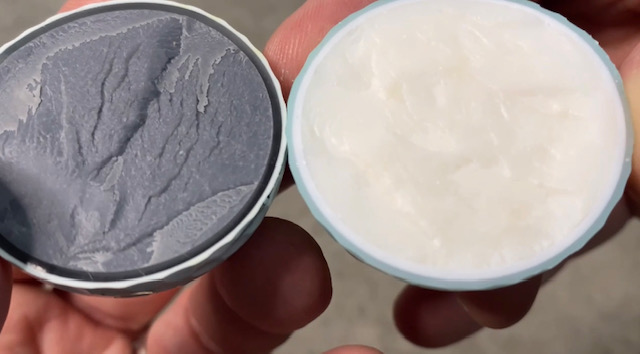
And as you’ll know if you’ve watched the cut-open videos:
The core tells the truth — not the logo on the side.
Match Your Golf Ball to Your Game Type
Your swing speed, skill level and priorities determine which type of ball will actually improve your performance.
- Senior / Slower Swing: Soft low-compression ball
- Beginner / High Handicap: Forgiving distance ball
- Mid Handicap: Balanced mid-compression urethane
- Low Handicap: High-compression tour ball
- Budget Golfer: Low-spin ionomer cover
A 75-year-old with an 85mph swing simply doesn’t need the same ball as a scratch golfer swinging 110mph.
Golf Ball Compression Chart (Compare Before You Buy)
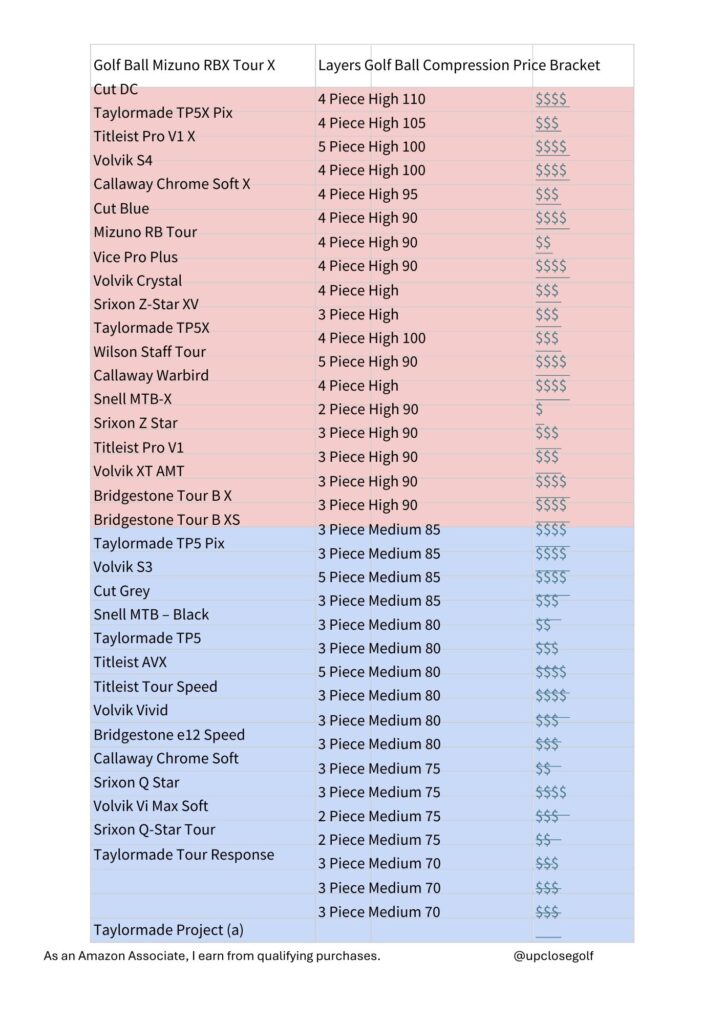
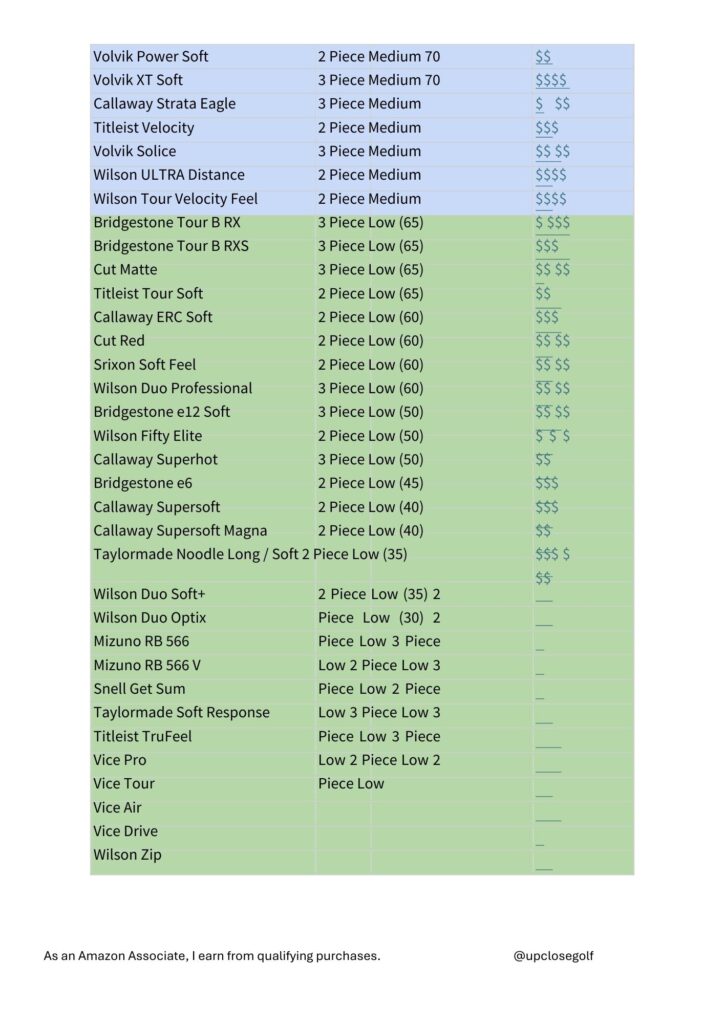
Use this chart to compare:
- Compression ratings
- Cover materials
- Construction types
So you can choose the right golf ball for your swing — not the marketing on the box.